
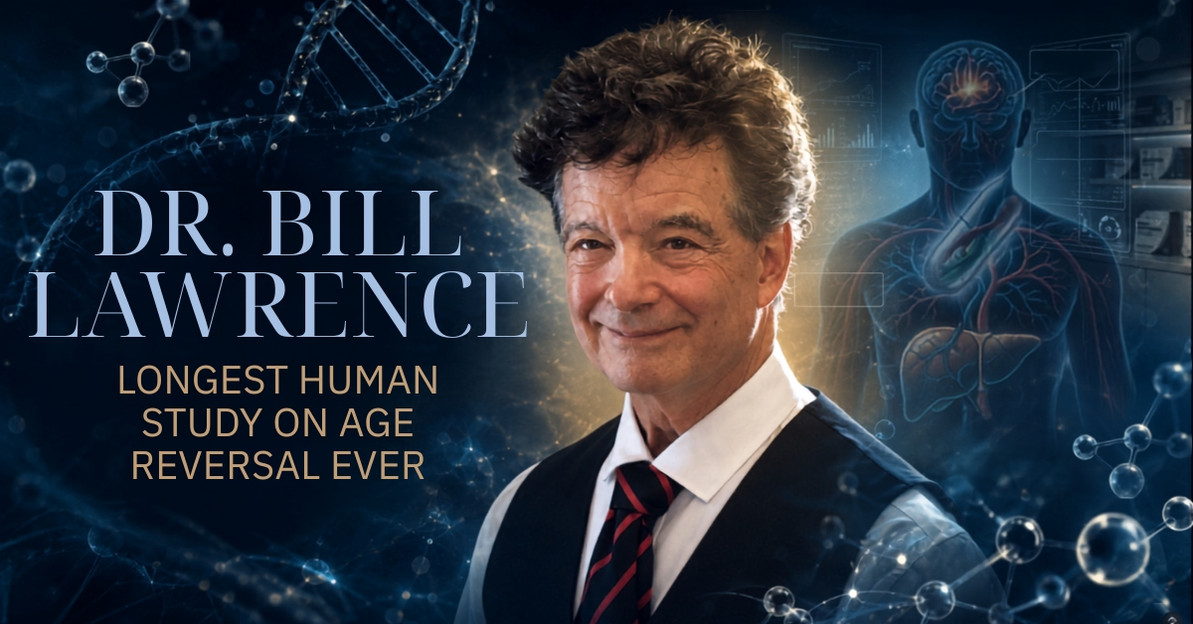
Who Is Dr. Bill Lawrence and Why His Longevity Study Matters
Aging is not really a skin problem. It is a cellular communication problem. Most people think aging begins when they see wrinkles, gray hair, lower energy, slower recovery, or changes in the way their body feels. But those are only the visible signs. The deeper story happens inside the cells, where the body decides how to repair, how to regulate inflammation, how to produce proteins, how to protect DNA, and how to keep tissues functioning over time. This is why Dr. Bill Lawrence has become such an important name in the longevity conversation. His work with Khavinson bioregulators points to a bigger idea: healthy aging may not only be about fighting decline, but about helping the body restore better biological regulation.

Understand the Real Problem With Aging
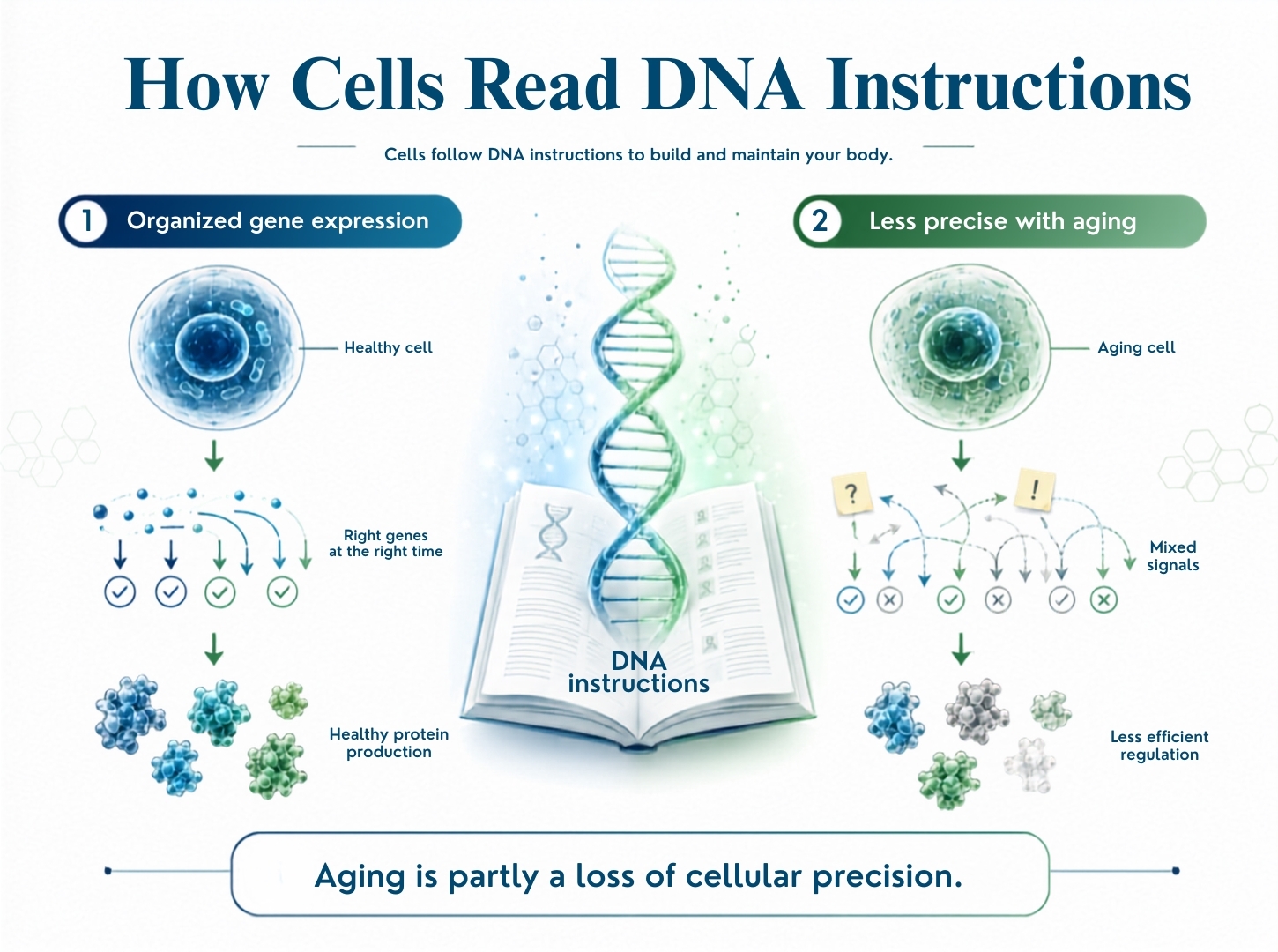
Most anti-aging conversations start in the wrong place because they focus on what people can see instead of what the body is doing underneath the surface. Skin, energy, muscle tone, and recovery are important, but they are not the root of aging. The deeper issue is that the body slowly loses some of its internal organization. Cells may stop communicating as clearly. Repair systems may become less efficient. Inflammation may become harder to control. Genes may turn on or off at the wrong time. The body still has the same DNA instruction manual, but with age, it may not read that manual with the same precision. That is why true longevity science looks beyond appearance and studies what is happening at the cellular level.
Meet Dr. Bill Lawrence
Dr. Bill Lawrence is known in the longevity world for his connection to Khavinson peptide bioregulators, a unique category of peptide based compounds linked to the research of Professor Vladimir Khavinson. While much of the Western peptide space focused on popular peptides for recovery, performance, or growth hormone pathways, Dr. Lawrence focused on something less mainstream and potentially much deeper. He studied how peptide bioregulators may influence biological aging markers and cellular function. His work helped bring Khavinson’s less known bioregulator science into a Western longevity framework using biological age testing, telomere analysis, and DNA methylation markers. That matters because much of Khavinson’s research was not widely understood in the West for many years, partly because it was difficult to access, translated from Russian, or overlooked by people focused on more familiar peptide categories.
Discover the Power of Khavinson Bioregulators
Khavinson bioregulators are short peptides, and peptides are small chains of amino acids. Amino acids are the building blocks of proteins, and proteins are responsible for many of the body’s most important functions. Some peptides act like signals in the body, helping cells communicate, repair, and regulate themselves. What makes Khavinson bioregulators different is that they are not usually discussed as simple performance boosters. They are better understood as regulatory peptides. Their proposed role is to help support the body’s natural ability to organize cellular activity. Instead of forcing the body to work harder, they are believed to help cells function with better precision.
Think of DNA Like an Instruction Manual
A simple way to understand this is to think of your DNA as a massive instruction manual. Every cell has access to that manual, but every cell does not read the same pages. A heart cell needs different instructions than a skin cell. A brain cell needs different instructions than an immune cell. As we age, the manual does not disappear. The problem is that cells may begin reading it less clearly. Some instructions may be ignored. Some may be overused. Others may be accessed at the wrong time. Khavinson bioregulators are believed to help cells access certain biological instructions more correctly. This is why they are so interesting in the field of longevity and cellular health.
Learn Why Biological Age Matters
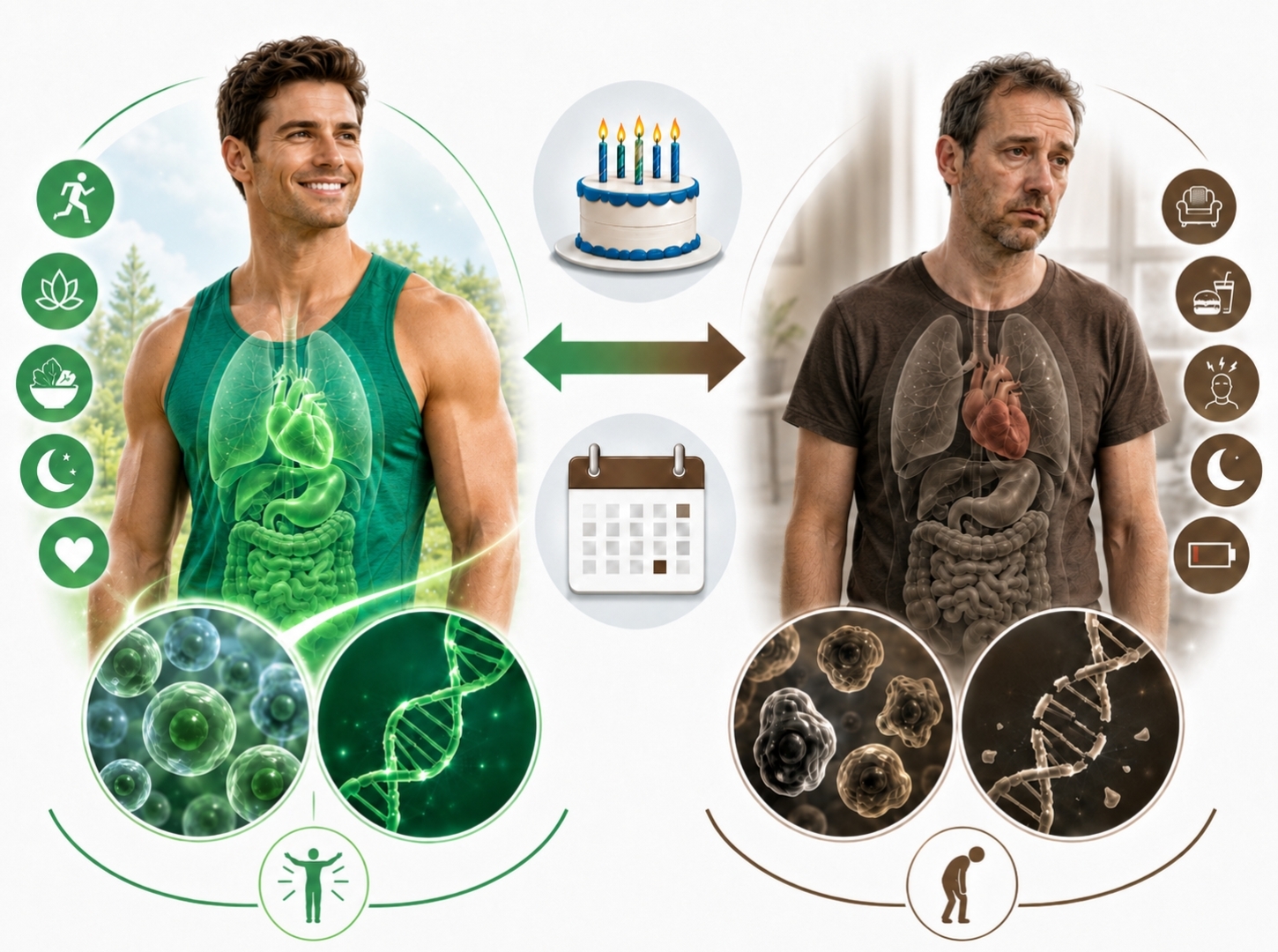
Your chronological age is the number of years you have been alive, but your biological age asks a more useful question: how old is your body acting on the inside? Two people can both be 55 years old, but their bodies may not be aging at the same speed. One person may have stronger energy, better recovery, healthier cellular function, and more youthful biological markers. Another person may show signs of faster aging even though they are the same age on paper. This is why biological age testing has become so important in longevity science. It gives researchers a way to look deeper than birthdays and study how the body is actually functioning at the cellular and molecular level.
Explore Telomeres and Cellular Aging
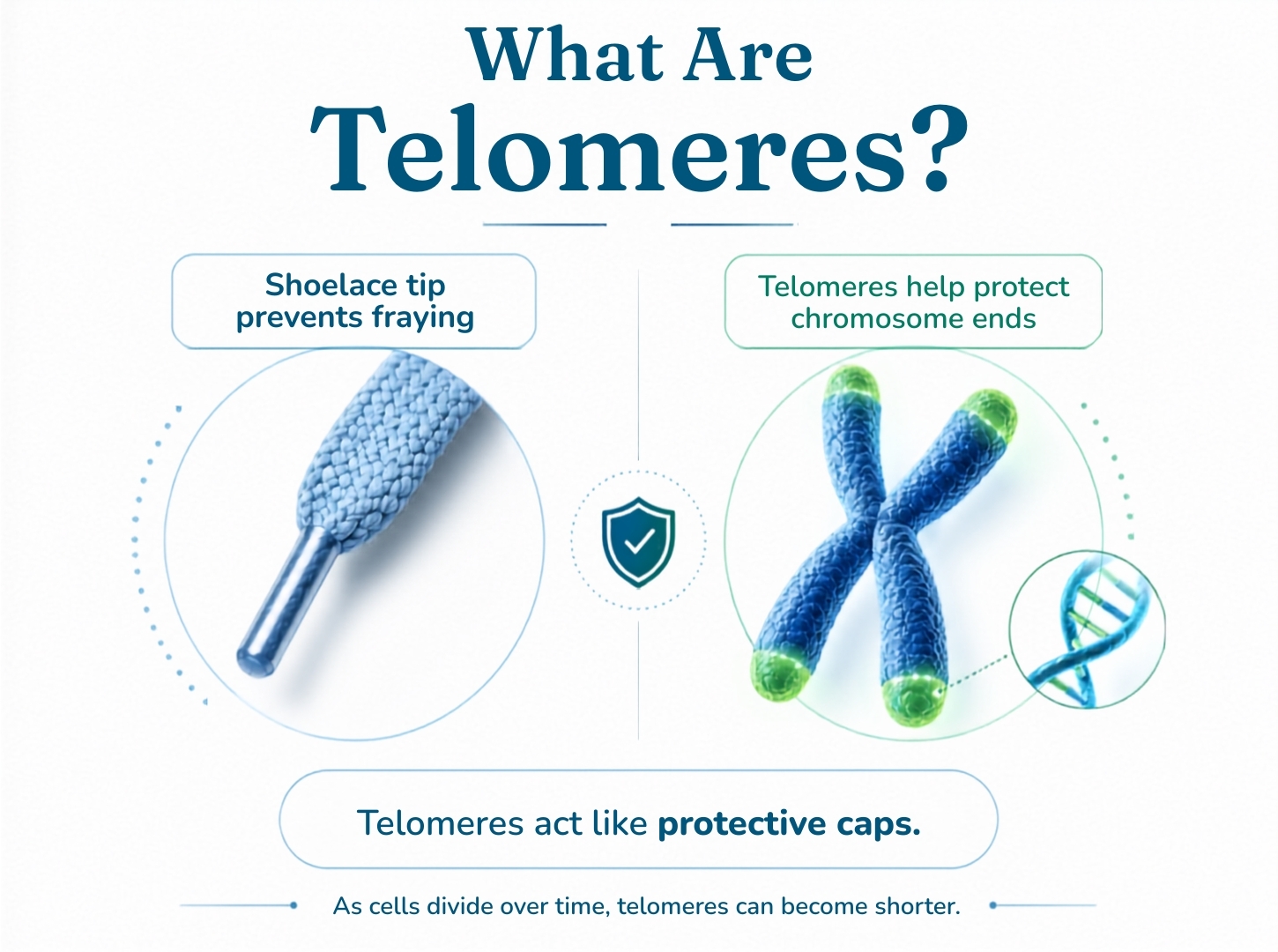
Telomeres are protective caps at the ends of chromosomes. The easiest way to picture them is to think about the plastic tips at the ends of shoelaces. Those tips keep the shoelace from fraying. Telomeres help protect DNA in a similar way. Every time many cells divide, telomeres can become shorter. When telomeres become too short, cells may stop dividing properly or enter a state called senescence. A senescent cell is still alive, but it does not function like a healthy young cell. It can create stress in nearby tissue and contribute to the aging process. This connects to the Hayflick limit, which is the idea that normal human cells can only divide a certain number of times before they stop. That is why telomere age matters. It gives researchers one important window into cellular aging.
Understand the Reported Telomere Results
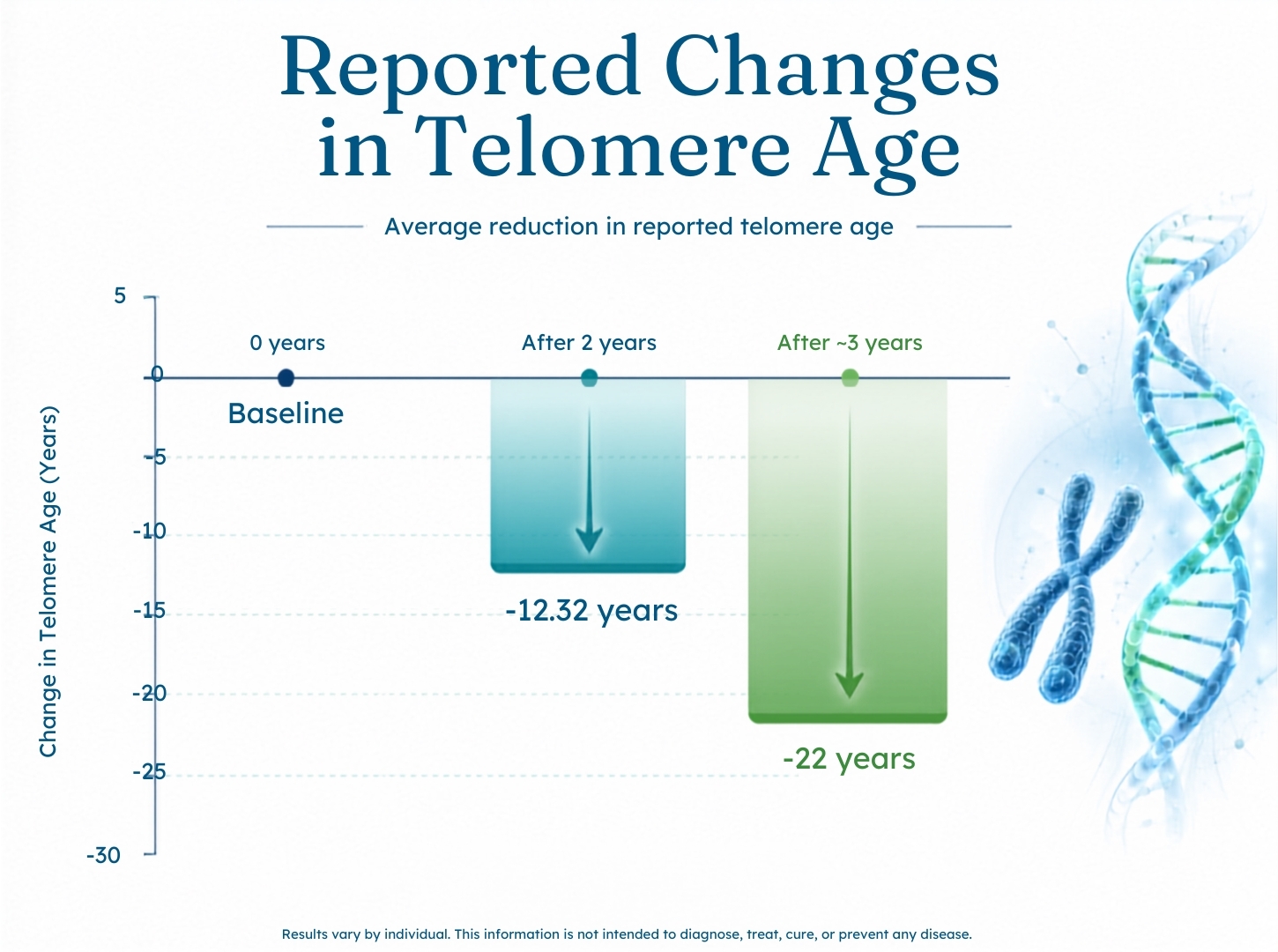
In Dr. Lawrence’s publicly discussed longevity work, participants showed promising changes in telomere age over time. Early results included an average 12.32 year reduction in telomere age among participants who had been in the program for at least two years. Later results included an average telomere age reduction of around 22 years over about a three year period. These numbers are attention grabbing, but they should be understood carefully. Telomere age is important, but it is not the only measure of aging. A telomere related improvement may suggest changes in cellular replication or biological resilience, but it does not automatically prove that aging has been reversed in every way. That is why Dr. Lawrence’s work becomes more interesting when telomere data is viewed alongside DNA methylation data.
Go Deeper With DNA Methylation
DNA methylation sounds complicated, but the basic idea is simple. Your DNA contains instructions, and your body needs a way to decide which instructions should be used and which should stay quiet. DNA methylation is one of the systems that helps control this process. Think of methylation like tiny tags placed on DNA. Some tags help keep certain genes quiet, while other patterns make genes easier to access. When this system works well, the body uses the right instructions at the right time. As we age, methylation patterns can drift. Repair genes may become less active. Inflammatory genes may become more active. Cells may still have the right instructions, but they may not use them as cleanly. This is why DNA methylation age is one of the most important ideas in modern longevity science.
Understand the Reported DNA Methylation Results
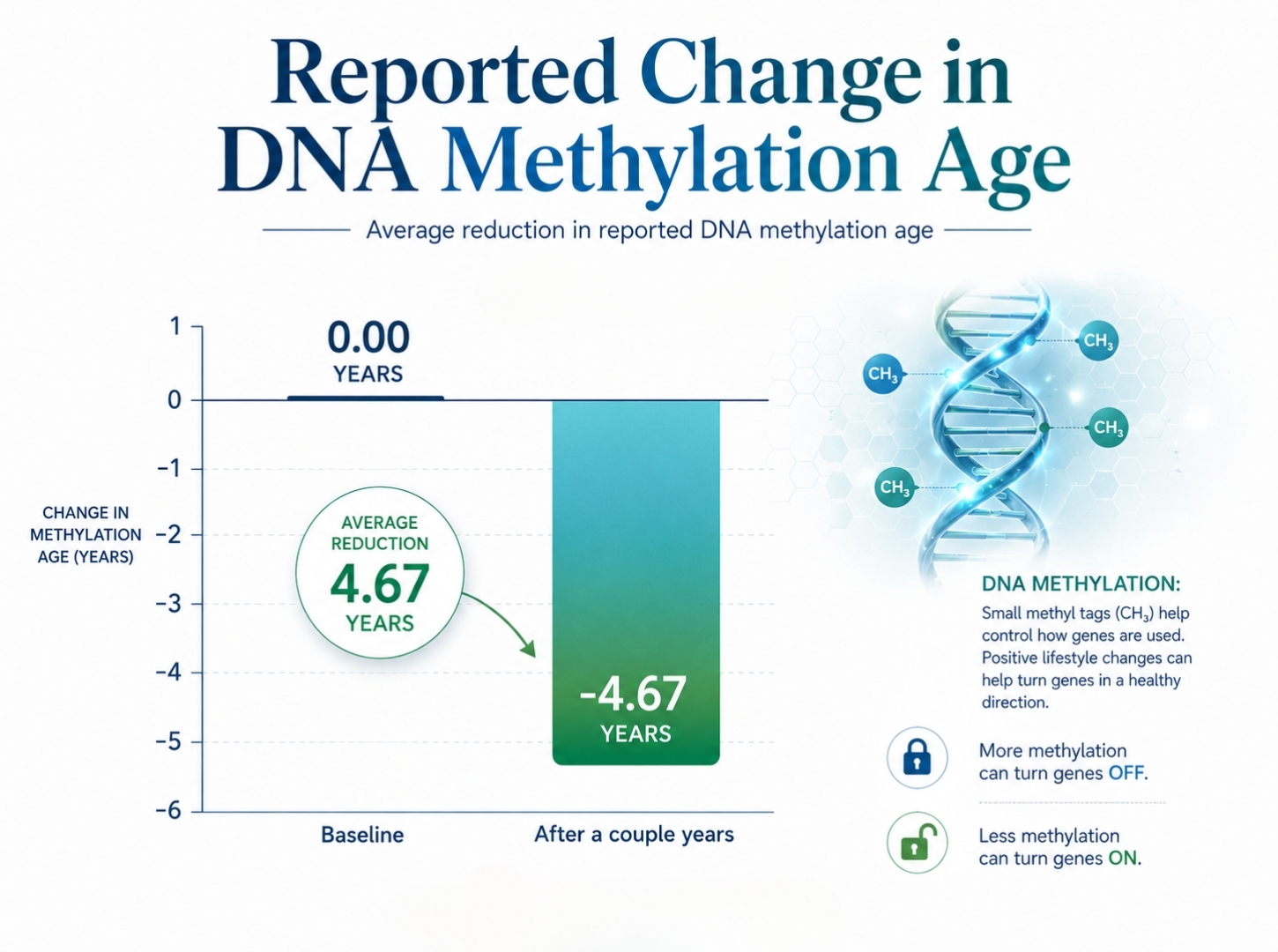
Dr. Lawrence’s reported protocol also showed an average 4.67 year reduction in DNA methylation age over a couple of years. This matters because DNA methylation is tied to deeper biological regulation, not just surface level aging. Telomeres can help show how cells are holding up over time, while DNA methylation can help show how well cells are regulating themselves. When both markers move in a favorable direction, the conversation becomes much more serious. It suggests that peptide bioregulators may be influencing more than one layer of biological aging. Still, these findings should be viewed responsibly. They are promising, but they should be supported by more peer reviewed research, independent replication, clear study protocols, safety data, and long-term outcomes.
See Why Gene Expression Is the Real Story
Gene expression simply means which genes your cells are using. A gene is like a recipe, and a protein is what the cell makes from that recipe. Proteins are needed for repair, immunity, energy, tissue structure, hormones, enzymes, and nearly every major function in the body. When gene expression works well, cells make the right proteins at the right time. When gene expression becomes disorganized, cells may make too much of one protein, too little of another, or activate the wrong biological pathways. This is one reason aging is not only about damage. It is also about regulation. The body may still have the instructions it needs, but it may lose some of its youthful ability to use those instructions properly.
Learn How Bioregulators Work
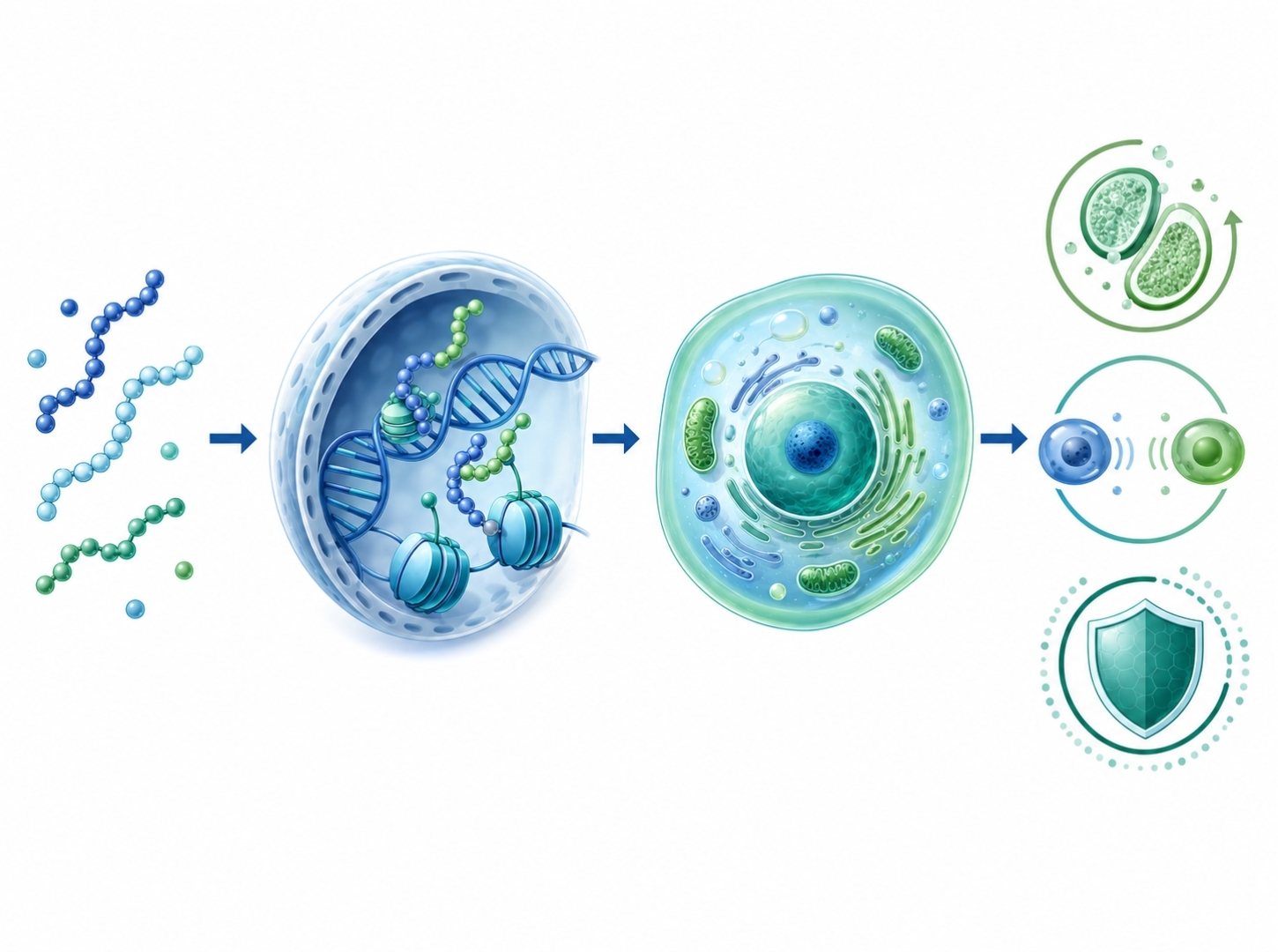
Khavinson bioregulators are believed to influence cellular function through mechanisms connected to gene expression. One proposed mechanism is that they may interact with promoter regions of DNA. A promoter is like a control switch near a gene, helping determine whether that gene becomes active. Another proposed mechanism involves histone proteins. Histones help package DNA into chromatin, and the way DNA is packaged can influence whether certain genes are accessible, silenced, or expressed. In simple terms, your cells can only use the genes they can access. If DNA is packed too tightly, useful instructions may be blocked. If DNA is too disorganized, the wrong instructions may become active. Healthy aging depends on balance, and peptide bioregulators may help support that balance.
Understand Why Dr. Lawrence’s Work Caught Attention
Dr. Lawrence’s work caught attention because it connected Khavinson bioregulators to measurable biological age testing. Without testing, anti-aging claims are just stories. With testing, researchers can ask better questions. Did telomere age change? Did DNA methylation age change? Did the changes continue over time? Were the results consistent? Could other lifestyle factors explain them? This is why his work matters. It helped move the conversation from vague anti-aging claims into measurable biological markers. The exciting part is not only that the reported results were promising. The exciting part is that the work looked at aging through deeper systems, including telomeres, DNA methylation, gene expression, chromatin structure, and cellular regulation.
Avoid the Biggest Mistake in Anti-Aging Science
The biggest mistake in anti-aging science is turning promising research into hype. Dr. Lawrence’s reported results are exciting, but they should be described responsibly. A reduction in telomere age or DNA methylation age does not automatically mean aging has been cured. It does not prove that everyone can reverse their age. It does not guarantee longer life, disease reversal, or perfect health. What it does suggest is that Khavinson bioregulators may influence important biological age markers in ways that deserve more attention, more research, and more serious discussion. Good science does not need exaggeration. It needs evidence, replication, clear protocols, safety data, and long term outcomes.
Recognize Why Dr. Lawrence Deserves More Credit
Dr. Bill Lawrence deserves more recognition because he looked where many others were not looking. He did not simply follow the most popular peptide trends. He focused on a complex and under discussed area of peptide science. He helped connect Khavinson’s bioregulator research with biological age markers that modern longevity researchers and clinics could understand. That kind of bridge matters. Sometimes science does not move forward because the information does not exist. Other times, the information exists, but it is hidden behind language barriers, geography, old journals, or lack of attention. Dr. Lawrence helped bring that hidden conversation into the open.
Think About Aging in a New Way
The old way of thinking about aging is simple: you get older, the body breaks down, and there is not much you can do about it. Modern longevity science is asking a better question. What if aging is not only breakdown? What if aging is also a loss of communication, a loss of regulation, and a loss of cellular precision? That changes the conversation. If aging is partly about poor regulation, then the future of longevity may not only be about forcing the body to work harder. It may be about helping the body do the right things at the right time. That is what makes Khavinson bioregulators so interesting. They are not mainly discussed as stimulants. They are discussed as possible tools for biological regulation.
Bring Peptide Bioregulators Into the Future of Wellness
The future of longevity will probably not come from one miracle product, one treatment, or one supplement. It will likely come from many layers working together: better nutrition, better sleep, exercise, stress control, metabolic health, immune support, hormone balance, regenerative medicine, biological age testing, and peptide science. Khavinson style bioregulators may become one important part of that bigger picture because they focus on regulation instead of simple stimulation. A stimulant pushes the body harder. A regulator may help the body become more organized. That difference matters because aging is not always about needing more force. Sometimes the body may need better signals.
Final Thoughts on Dr. Bill Lawrence and His Longevity Study
Dr. Bill Lawrence is an important figure in the conversation around longevity, peptide bioregulators, and biological age testing. His work matters because it helped bring Professor Khavinson’s bioregulator research into a Western longevity framework. For someone new to this topic, the simple version is this: Dr. Lawrence studied whether special peptide bioregulators could help the body act younger at the cellular level. For someone more advanced, the deeper version is this: his work explored whether Khavinson style peptide bioregulators could influence biological aging markers such as telomere age and DNA methylation age through mechanisms connected to gene expression, chromatin structure, and cellular regulation. That is the real reason his study matters. Not because it proves aging has been solved, but because it points to a better question: what if the future of healthy aging is not just about fighting the body’s decline, but helping the body regulate itself again?
Unlock a deeper approach to wellness with peptide bioregulators, created for those interested in supporting the body’s natural systems and exploring the next generation of longevity science.
For a more detailed breakdown we recommend watching this video presented by the Peptide Science Institute: https://www.youtube.com/watch?v=_ExggQ3J_-4
Medical Disclaimer
This article is for educational purposes only. It is not medical advice and does not recommend any peptide, supplement, therapy, or treatment for diagnosing, treating, curing, or preventing disease. Anyone considering peptide therapy or longevity treatments should speak with a qualified medical professional.
Recent Posts
-

Stamakort A-10 A Closer Look at the Natural Stomach Peptide Bioregulator
The stomach does more than hold food until the next stage of digestion. Its muscles mix each meal wi …Oct 20th 2026 -

Svetinorm A-7 Natural Liver Peptide Bioregulator
The liver works continuously to help the body process nutrients, regulate metabolism, support digest …Oct 13th 2026 -

Sigumir A-4 Natural Cartilage Peptide Bioregulator Guide
Cartilage supports nearly every movement made throughout the day. It helps joints move smoothly, cus …Oct 7th 2026