
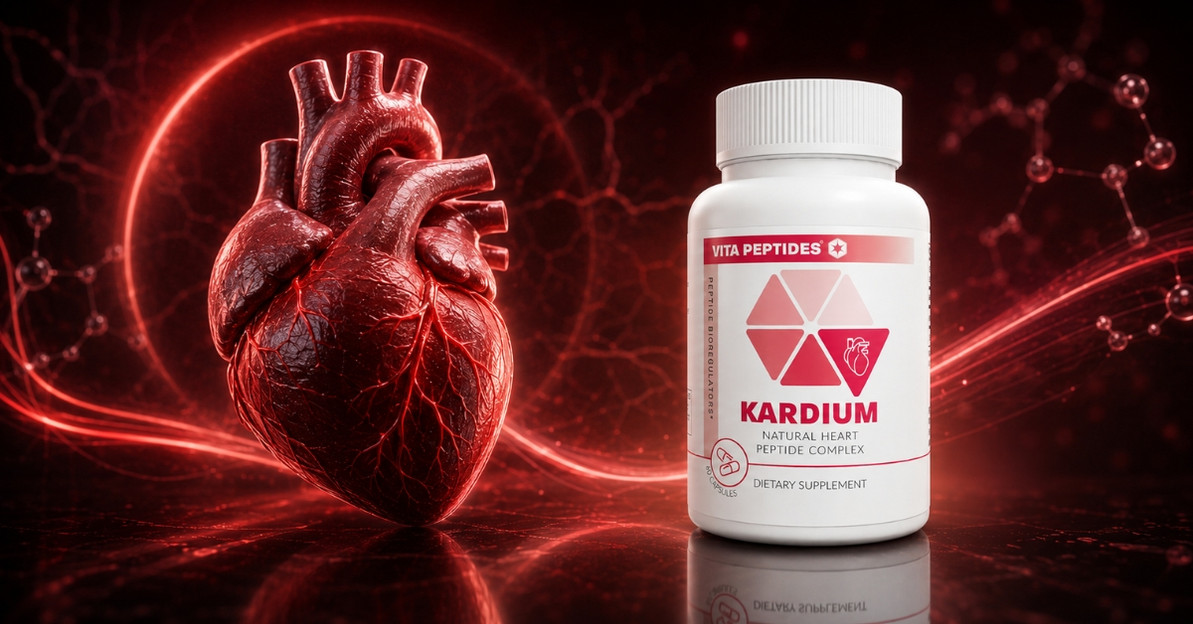
The Natural Heart Peptide Bioregulator | Kardium
Your heart never takes a day off. While you work, exercise, relax, and sleep, it continues beating quietly in the background moving blood, delivering oxygen, and supporting every organ in your body.
Most people rarely think about their heart when everything feels normal. Yet every movement you make, every breath you take, and every thought you have depends on the circulation it provides.
Kardium is a natural heart peptide bioregulator designed to provide targeted nutritional support for the heart and cardiovascular system. Before looking at where Kardium fits into a wellness routine, it helps to understand what the heart does and why this remarkable organ deserves daily support.
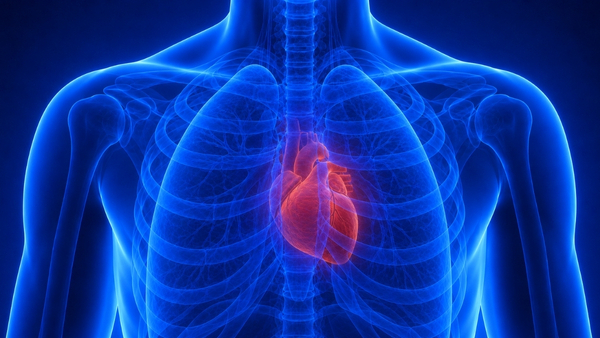
What Is the Heart’s Main Purpose?
The heart is often described as a pump, but its purpose goes far beyond simply moving blood.
Every heartbeat pushes blood through a vast network of arteries, veins, and capillaries. As blood circulates, it delivers oxygen from the lungs and nutrients from the digestive system to tissues throughout the body.
It also carries hormones and other important substances, helps regulate body temperature, and transports carbon dioxide and metabolic waste away from the cells.
The brain, muscles, kidneys, liver, and other organs all depend on this continuous blood supply. The heart keeps the entire transportation system moving.
How Blood Travels Through the Heart
The heart contains four chambers: two atria at the top and two ventricles at the bottom. Each chamber performs a different part of the circulation process.
Blood returning from the body enters the right atrium and then moves into the right ventricle. The right ventricle pumps this blood toward the lungs, where carbon dioxide is released and fresh oxygen is collected.
The oxygen rich blood then returns to the left atrium. From there, it enters the left ventricle, which pumps it through the aorta and out to the rest of the body.
The left ventricle has especially strong muscular walls because it must create enough force to send blood throughout the entire body.
This complete cycle repeats continuously without any conscious effort.
Why the Heart Has Four Valves
The heart also contains four valves:
- Tricuspid valve
- Pulmonary valve
- Mitral valve
- Aortic valve
These valves work like carefully timed one way doors. They open to allow blood to move forward and close to help prevent it from flowing backward.
The familiar “lub dub” sound of a heartbeat is largely produced by these valves closing during different stages of the pumping cycle.
The timing between the chambers and valves must be remarkably precise. Together, they keep blood traveling in the correct direction from the body to the heart, from the heart to the lungs, and back out to the body.
What Keeps the Heart Beating?
The heart has its own natural electrical system. Each heartbeat begins with a signal created by a small group of specialized cells called the sinoatrial node, commonly known as the heart’s natural pacemaker.
The signal first travels across the atria, causing the upper chambers to contract. It then reaches the ventricles, telling the lower chambers to contract and pump blood outward.
This electrical activity keeps the chambers working in the proper sequence. It also allows the heart to adjust its rhythm based on what the body needs.
During sleep or quiet rest, the heart may beat more slowly. During exercise, excitement, or stress, it can speed up to deliver more oxygen and nutrients.
The Heart and Lungs Work as a Team
The heart cannot supply the body with oxygen without help from the lungs.
When you breathe in, oxygen enters the lungs and passes into the bloodstream. The heart then pumps that oxygen rich blood throughout the body.
Blood carrying carbon dioxide returns to the heart and is sent to the lungs. The carbon dioxide leaves the body when you breathe out, and the cycle begins again.
This partnership becomes especially noticeable during exercise. Your muscles need more oxygen, so your breathing becomes faster and your heart pumps more frequently.
The lungs collect the oxygen. The heart delivers it.
Why the Brain Depends on the Heart
The brain requires a steady supply of oxygen and nutrients to support thinking, memory, concentration, movement, and communication throughout the nervous system.
Although heart wellness and brain wellness are often discussed separately, the two are closely connected. The heart maintains the circulation that allows the brain to perform its normal work.
This is one reason healthy circulation matters throughout the entire body. Every organ depends on the heart’s ability to keep blood moving.
How the Heart Supports Energy and Movement
Whenever you walk, climb stairs, lift something, or exercise, your muscles need additional energy. Blood delivers the oxygen and nutrients required to meet that demand.
As physical activity becomes more intense, the heart increases its pumping rate. More oxygen rich blood reaches the working muscles, while carbon dioxide and other metabolic byproducts are carried away.
Regular physical activity can help the cardiovascular system respond more efficiently to these changing demands. This relationship between the heart and muscles supports everyday movement, physical stamina, recovery, and vitality.
The Heart Constantly Adapts
Your heart does not operate at one fixed speed. It continuously responds to what is happening inside and around your body.
A brisk walk may increase your heart rate. A stressful situation can do the same. Rest, sleep, and slow breathing generally allow the body to return to a calmer state.
Hydration, nutrition, temperature, emotions, fitness level, medications, and normal aging can all influence how hard the cardiovascular system works.
This ability to adapt is one of the heart’s most impressive qualities. It is also why everyday habits can make a meaningful difference.
Simple Ways to Support Heart Wellness
Heart wellness is rarely built through one dramatic decision. It develops through small choices repeated consistently.
Regular movement supports circulation and helps the cardiovascular system remain prepared for physical activity. Balanced meals provide important nutrients, while adequate hydration helps support normal blood volume and circulation.
Restful sleep gives the body time to recover and regulate its natural processes. Managing everyday stress can also be helpful because stress may temporarily influence heart rate, breathing, and blood pressure.
A heart conscious routine may include:
- Staying physically active
- Eating varied, nutrient rich foods
- Drinking enough water
- Maintaining a consistent sleep schedule
- Avoiding smoking
- Finding healthy ways to manage stress
- Receiving appropriate health screenings
- Following guidance from a qualified healthcare professional
No individual food, exercise, or supplement replaces the complete picture. Heart wellness comes from the way these habits work together.
What Is Kardium?
Kardium is a natural heart peptide bioregulator complex made to support the heart as part of a daily supplement routine.
Peptide bioregulators are short chains of amino acids designed to support normal cellular and organ function. Kardium focuses specifically on the heart, the muscular organ responsible for circulating blood, delivering oxygen and nutrients, and supporting physical energy throughout the body.
Rather than approaching cardiovascular wellness only through general support, Kardium focuses on the organ at the center of the circulatory system.
This makes it a targeted option for people interested in heart support, normal cardiovascular balance, healthy circulation, and long term wellness. Kardium is available in 30 and 60 capsule bottles.
Supporting the Heart That Supports You
The heart is easy to overlook because it performs most of its work quietly. But behind every beat is an extraordinary coordinated process.
Its chambers receive and pump blood. Its valves keep that blood moving forward. Its electrical system maintains an organized rhythm. Its connection with the lungs brings oxygen into circulation, while its blood vessels deliver that oxygen throughout the body.
From mental focus to physical movement, every organ and tissue depends on the heart.
Supporting heart wellness is therefore about more than caring for one muscle. It means caring for the system that keeps your entire body connected, supplied, and moving.
Kardium may provide targeted nutritional support for adults who want to incorporate natural heart peptides into their wider wellness routine.

*Disclaimer: These statements have not been evaluated by the FDA. This product is not intended to diagnose, treat, cure or prevent any disease. Information on this site is provided for informational purposes only and is not meant to substitute for the advice provided by your own physician or healthcare professional. You should not use the information contained herein for diagnosing or treating a health problem or disease, or prescribing medication.
Please note: You should always consult a primary care physician/health practitioner of choice when considering the use of any products for health purposes, especially when undergoing treatment for an existing condition.
Warning: Keep out of direct light. Do not contaminate or touch fluid in bottle. If you are pregnant, nursing, or taking any medication, consult your doctor before use. Discontinue use and consult doctor if any adverse reactions occur. Not intended for use by person under the age of 18. Keep out of reach of children. Store in a dry place and avoid excessive heat.
Recent Posts
-

Stamakort A-10 A Closer Look at the Natural Stomach Peptide Bioregulator
The stomach does more than hold food until the next stage of digestion. Its muscles mix each meal wi …Oct 20th 2026 -

Svetinorm A-7 Natural Liver Peptide Bioregulator
The liver works continuously to help the body process nutrients, regulate metabolism, support digest …Oct 13th 2026 -

Sigumir A-4 Natural Cartilage Peptide Bioregulator Guide
Cartilage supports nearly every movement made throughout the day. It helps joints move smoothly, cus …Oct 7th 2026