
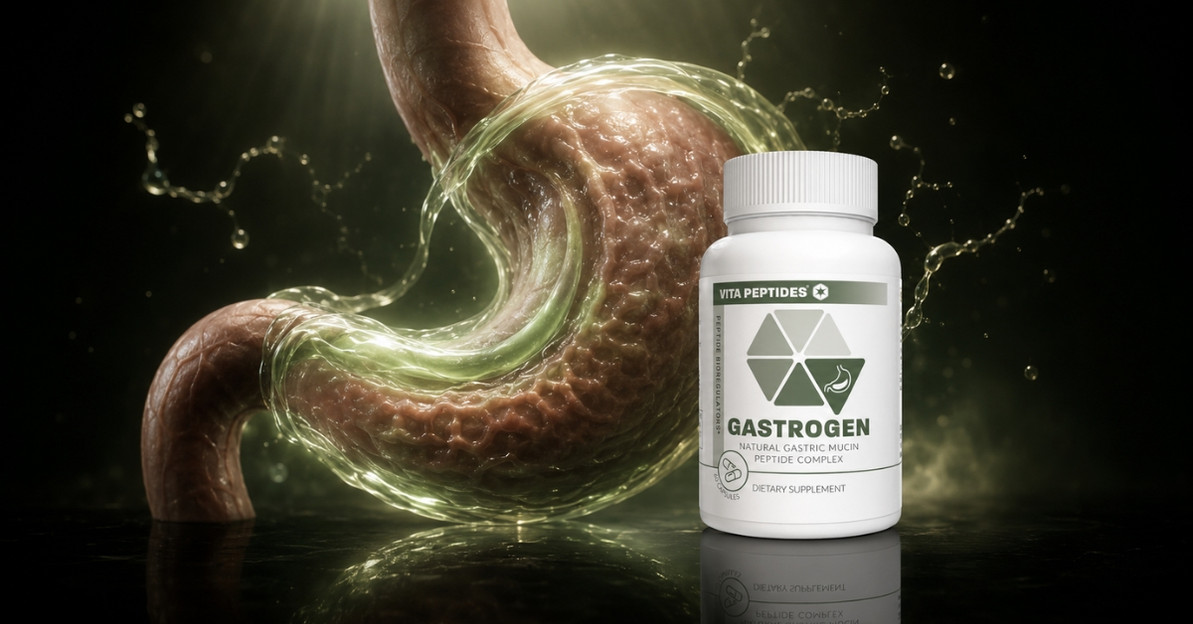
The Natural Gastric Mucin Peptide Bioregulator | Gastrogen
The stomach works in a challenging environment. It must mix food with powerful acid and digestive enzymes while protecting its own delicate lining. One of the stomach’s most important protective features is a layer of mucus containing specialized molecules called mucins.
Gastrogen is a natural gastric mucin peptide complex developed to provide targeted nutritional support for the stomach lining and normal gastric function as part of a general wellness routine.
What Is Gastric Mucin?
Gastric mucin refers to specialized glycoproteins produced by mucus secreting cells in the stomach lining. When combined with water and other substances, mucins help create the thick mucus gel that coats the inner surface of the stomach.
This mucus layer is continuously maintained because it is regularly exposed to food, stomach acid, digestive enzymes, and normal mechanical movement.
Although the words sound similar, gastric mucin and gastric mucus are not exactly the same. Mucins are the large glycoproteins that give mucus its structure and gel like consistency. Gastric mucus is the complete protective material formed from mucins, water, bicarbonate, electrolytes, and other components.
The Important Role of the Stomach
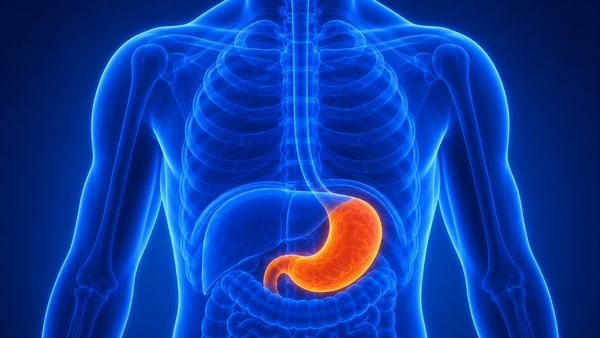
The stomach is a muscular organ located in the upper abdomen. It receives food from the esophagus and temporarily stores it while digestion begins.
Muscular contractions churn the food and mix it with gastric juice. This gradually transforms the food into a semi liquid mixture called chyme, which is then released into the small intestine.
The stomach also produces several important substances. Hydrochloric acid creates the acidic environment needed for digestion. Pepsin begins breaking dietary proteins into smaller components. Intrinsic factor is necessary for the normal absorption of vitamin B12 later in the digestive tract.
These functions make the stomach an essential connection between eating food and absorbing its nutrients.
How the Stomach Protects Itself
The stomach must perform two seemingly opposite tasks. It must create a highly acidic environment for digestion while preventing that environment from damaging its own surface.
The gastric mucus barrier helps make this possible. Mucus forms a continuous gel over the stomach’s epithelial cells, creating physical separation between the tissue and the contents of the stomach.
Bicarbonate released near the stomach surface becomes trapped within this mucus layer. It helps maintain a less acidic environment immediately next to the epithelial cells, even when the center of the stomach remains strongly acidic.
The stomach lining also depends on healthy blood flow, closely connected epithelial cells, and normal cellular renewal. Together, these components form the broader gastric mucosal barrier.
The Relationship Between Mucus and Stomach Acid
Stomach acid is not automatically harmful. Under normal conditions, it performs several essential functions. It helps unfold proteins, supports the activation of pepsin, and contributes to the stomach’s natural defense against many microorganisms entering with food.
The protective mucus and bicarbonate system allows acid to perform these functions without directly contacting the underlying stomach cells.
The mucus layer also slows the movement of pepsin toward the stomach surface. Pepsin is an enzyme designed to digest proteins, so limiting its contact with the protein containing stomach lining is an important part of normal mucosal protection.
This relationship demonstrates why normal digestive function depends on balance. The stomach requires both effective digestive secretions and an intact protective surface.
The Stomach Lining Is an Active Tissue
The inner surface of the stomach is not a passive coating. It is a living tissue composed of specialized cells with different responsibilities.
Surface mucous cells produce protective mucus and bicarbonate. Parietal cells produce hydrochloric acid and intrinsic factor. Chief cells release pepsinogen, the inactive form of the protein digesting enzyme pepsin. Enteroendocrine cells release signaling molecules that help coordinate secretion, movement, and digestion.
These cells are organized within gastric pits and glands. Their activity is regulated by interactions among the digestive, nervous, endocrine, and circulatory systems.
The surface epithelium also renews itself regularly. This ongoing renewal helps maintain the physical integrity of the gastric lining as it responds to the demands of normal digestion.
What Can Affect the Gastric Mucus Barrier?
The stomach’s protective environment can be influenced by diet, alcohol, smoking, medications, physiological stress, infections, and general health.
Certain medications, including some nonsteroidal anti-inflammatory drugs, may affect the stomach’s normal protective mechanisms. Alcohol and tobacco can also place additional stress on the gastric lining.
Eating habits matter as well. Large meals, eating too quickly, or lying down shortly after eating may contribute to digestive discomfort in some individuals. Personal food triggers vary, so paying attention to how the body responds to different meals can be helpful.
What Are Natural Peptide Bioregulators?
Peptides are short chains of amino acids. In addition to being components of proteins, peptides may participate in cellular communication and biological regulation.
Natural peptide bioregulator complexes contain low molecular weight peptide fractions derived from particular tissues. Researchers have studied short peptides for their possible involvement in cellular signaling, protein synthesis, and gene expression pathways.
The concept of tissue specific peptide bioregulation proposes that peptides associated with a particular tissue may provide targeted nutritional support for related tissue. This scientific area remains under investigation and does not establish that a peptide supplement can prevent or treat a gastrointestinal condition.
What Is Gastrogen?
Gastrogen is a Vita Peptides natural gastric mucin peptide complex supplied in capsule form. Its formulation is designed for adults seeking targeted nutritional support for the stomach’s mucosal environment and normal gastric function.
Gastrogen should be considered part of a complete wellness routine rather than a replacement for a balanced diet, appropriate medical care, or healthy digestive habits.
Always follow the directions on the product label. Do not exceed the suggested serving unless directed by a qualified healthcare professional.
Supporting Everyday Stomach Wellness
Supporting the stomach begins with practical daily habits. Eating slowly and chewing food thoroughly can reduce the amount of work required during the early stages of digestion. Balanced meals provide the protein, vitamins, minerals, and other nutrients needed for normal tissue maintenance.
Regular hydration supports digestion, but individual comfort may vary when drinking large amounts of fluid with meals. Limiting personal trigger foods, avoiding tobacco, moderating alcohol, and allowing time between eating and lying down may also support digestive comfort.
Stress management and sufficient sleep are important because the nervous and digestive systems communicate closely. Changes in stress, routine, and sleep can influence appetite, stomach movement, and digestive sensations.
Gastrogen as Part of a General Wellness Routine
The gastric mucus barrier is a remarkable biological system. It allows the stomach to maintain an acidic digestive environment while helping protect the living tissue underneath.
Gastrogen provides a convenient way to add a gastric mucin specific natural peptide complex to an adult wellness routine. Its targeted formulation is based on the principles of tissue specific peptide bioregulation and is intended to support general wellness rather than provide medical treatment.
Consult a qualified healthcare professional before using Gastrogen if you are pregnant, nursing, taking medication, living with a medical condition, preparing for surgery, or receiving treatment for a gastrointestinal concern.

References
- Clamp JR, Ene D. The gastric mucosal barrier. Methods and Findings in Experimental and Clinical Pharmacology. 1989;11(Suppl 1):19–25. View the study
- Hsu M, Safadi AO, Lui F. Physiology, Stomach. StatPearls. National Center for Biotechnology Information. View the reference
- Allen A, Flemström G. Gastroduodenal mucus bicarbonate barrier: protection against acid and pepsin. American Journal of Physiology Cell Physiology. 2005;288(1):C1–C19. View the study
- Khavinson VK, Popovich IG, Linkova NS, Mironova ES, Ilina AR. Peptide Regulation of Gene Expression: A Systematic Review. Molecules. 2021;26(22):7053. View the study
*Disclaimer: These statements have not been evaluated by the FDA. This product is not intended to diagnose, treat, cure or prevent any disease. Information on this site is provided for informational purposes only and is not meant to substitute for the advice provided by your own physician or healthcare professional. You should not use the information contained herein for diagnosing or treating a health problem or disease, or prescribing medication.
Please note: You should always consult a primary care physician/health practitioner of choice when considering the use of any products for health purposes, especially when undergoing treatment for an existing condition.
Warning: Keep out of direct light. Do not contaminate or touch fluid in bottle. If you are pregnant, nursing, or taking any medication, consult your doctor before use. Discontinue use and consult doctor if any adverse reactions occur. Not intended for use by person under the age of 18. Keep out of reach of children. Store in a dry place and avoid excessive heat.
Recent Posts
-
Vladonix A-6 Natural Thymus Peptide Bioregulator Guide
The thymus is a small organ with an important role in the immune system. It supports the development …Oct 23rd 2026 -

Stamakort A-10 A Closer Look at the Natural Stomach Peptide Bioregulator
The stomach does more than hold food until the next stage of digestion. Its muscles mix each meal wi …Oct 20th 2026 -

Svetinorm A-7 Natural Liver Peptide Bioregulator
The liver works continuously to help the body process nutrients, regulate metabolism, support digest …Oct 13th 2026