

The Natural Stomach Peptide Bioregulator | Stomek
The stomach is one of the hardest working organs in the digestive system. Every time we eat, it receives food from the esophagus, holds it temporarily, mixes it with digestive juices, begins the breakdown of protein, and gradually releases the processed contents into the small intestine.
This process depends on much more than stomach acid. Muscular contractions, digestive enzymes, protective mucus, bicarbonate, blood flow, hormones, nerves, and the cells of the stomach lining all work together. The stomach must create an environment strong enough to digest food while also maintaining the protective barrier that shields its own tissue.
Stomek is a natural stomach peptide complex formulated to provide targeted nutritional support for normal stomach structure and function as part of a balanced wellness routine. Each package contains 90 capsules, offering a convenient option for adults who want to make stomach wellness a consistent part of their approach to digestive health.
What Is Stomek?
Stomek is an organ focused dietary supplement developed specifically for stomach wellness. It contains a natural peptide complex and belongs to the category of products commonly described as peptide bioregulators.
Peptides are short chains of amino acids, which are the same basic building blocks the body uses to make proteins. Peptides occur naturally throughout the body and participate in many biological processes. In peptide bioregulator supplements, peptide complexes are formulated around a particular organ or tissue rather than taking a general, one formula fits all approach.
For Stomek, the area of focus is the stomach. Its purpose is to complement the nutrition, hydration, sleep, movement, stress management, and eating habits that contribute to digestive wellness. Stomek is not a digestive enzyme, antacid, or medication, and it should not be presented as a treatment for reflux, gastritis, ulcers, infections, or any other digestive condition.
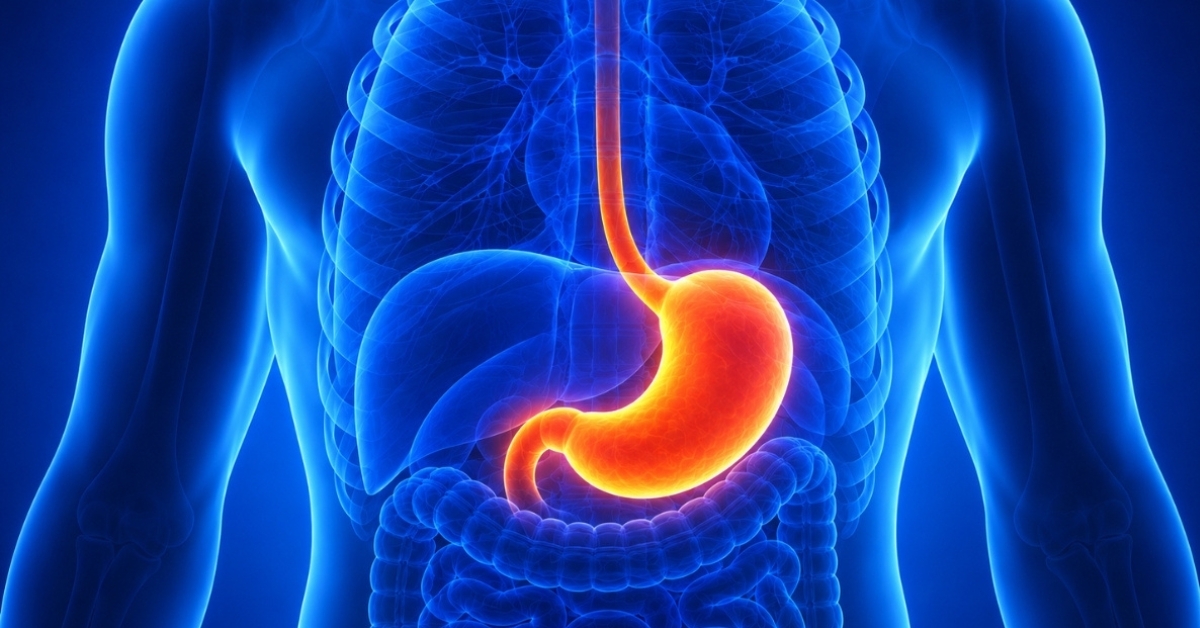
What Is the Role of the Stomach?
The stomach is a muscular, expandable organ located between the esophagus and the small intestine. When food reaches the stomach, several important processes begin.
First, the upper portion of the stomach relaxes so it can receive and temporarily store a meal. This allows the digestive system to process food gradually instead of sending the entire meal into the small intestine at once.
Next, the muscular walls of the stomach contract and mix food with gastric juices. This combination of physical movement and chemical digestion turns food into a semi liquid material called chyme.
The stomach also begins the digestion of dietary protein. Glands in the stomach lining produce acid and enzymes, while the stomach muscles mix these secretions into the meal. When the contents are ready to move forward, the stomach slowly releases chyme through the pyloric region and into the first part of the small intestine.
The National Institute of Diabetes and Digestive and Kidney Diseases explains that the stomach mixes food and liquid with digestive juices, begins breaking down proteins, and slowly empties chyme into the small intestine. It also describes digestion as a coordinated process controlled by organs, muscles, nerves, and hormones.
The Stomach Does More Than Hold Food
It is easy to think of the stomach as a simple storage pouch, but it is an active organ with several specialized responsibilities.
In addition to receiving and mixing food, the stomach helps control the pace at which a meal enters the small intestine. This controlled emptying is important because the next stage of digestion requires secretions from the pancreas, liver, gallbladder, and intestinal lining.
Specialized stomach cells also produce intrinsic factor, a protein required for the absorption of vitamin B12 farther along in the digestive tract. Other cells release chemical messengers involved in appetite, digestive secretions, movement, and communication between the digestive system and the brain.
The stomach therefore works as part of a much larger network. It responds to the size and composition of a meal while coordinating with the nervous system and other digestive organs.
Understanding the Stomach Lining
The inside of the stomach is exposed to a highly acidic environment. This acidity is necessary for normal digestion, but it means the stomach also needs a strong protective system.
The gastric mucosa, or stomach lining, contains specialized cells that produce mucus and bicarbonate. Together, they help create a barrier between the stomach wall and the acidic digestive contents. Normal blood flow supports the tissue, and surface cells are continually renewed as part of the stomach’s natural maintenance process.
The protective lining is important because digestive acid and enzymes are designed to break down food. The stomach must maintain a careful balance: it needs enough digestive activity to process a meal while preserving the integrity of its own surface.
A 2025 narrative review in the SCIRP Open Journal of Gastroenterology discusses how bile reflux can impair gastric defense mechanisms and injure the gastric mucosa.
Why Stomach Acid Is Important
Stomach acid is often discussed only in connection with discomfort, yet normal gastric acidity serves several essential purposes.
The acidic environment helps unfold dietary proteins, making them easier for digestive enzymes to access. It also helps convert pepsinogen into pepsin, an enzyme that begins cutting proteins into smaller fragments.
Stomach acid also creates a less favorable environment for many microorganisms that may enter with food. After the stomach completes its part of the process, chyme moves into the small intestine, where bicarbonate helps neutralize its acidity.
Healthy stomach function is therefore not about eliminating acid. It depends on coordination among acid production, protective mucus, muscular movement, digestive enzymes, and controlled stomach emptying.
The Stomach’s Role in Protein Digestion
Protein provides amino acids that the body uses to build and maintain muscles, enzymes, hormones, connective tissues, and many other structures. Before dietary protein can be absorbed and used, it must be broken into smaller components.
That process begins in the stomach. Acid changes the structure of dietary proteins, and pepsin starts dividing them into smaller peptide fragments. Protein digestion then continues in the small intestine with help from pancreatic and intestinal enzymes.
The stomach does not complete protein digestion by itself, but it prepares protein for the stages that follow. This makes normal stomach activity an important early part of the body’s ability to process protein containing foods.
How the Stomach Works With Other Digestive Organs
Digestion is a connected process rather than the work of one organ.
The mouth begins by chewing food and mixing it with saliva. The esophagus uses coordinated muscular movement to carry swallowed food into the stomach. The stomach then stores and mixes the meal, begins protein digestion, and gradually releases chyme.
In the small intestine, digestive juices from the pancreas and bile produced by the liver help continue the breakdown of carbohydrates, proteins, and fats. The small intestine absorbs most nutrients, while the large intestine absorbs additional water and helps form stool.
Because these organs work together, digestive wellness is influenced by the whole routine surrounding a meal. Food choices, portion size, meal timing, hydration, movement, sleep, and stress may all affect how digestion feels from day to day.
Why Stomach Wellness Matters
The stomach adjusts continually to different foods, meal sizes, eating schedules, and daily circumstances. Rushed meals, very large portions, frequent alcohol consumption, irregular routines, inadequate sleep, and stress may place additional demands on digestion.
Occasional digestive changes can happen to almost anyone. A proactive wellness routine does not guarantee that discomfort will never occur, but it can encourage more consistent habits and greater awareness of the body’s signals.
How Stomek Fits Into a Wellness Routine
Stomek is designed for adults who want targeted nutritional support focused on normal stomach structure and function. Instead of being presented as a quick response to symptoms, it fits best within a consistent wellness routine.
That routine can include eating at a comfortable pace, chewing food thoroughly, choosing portions that work well for the individual, and maintaining regular meal times when possible. A varied diet provides protein, healthy fats, carbohydrates, fiber, vitamins, and minerals needed throughout the body.
Hydration, regular movement, sufficient sleep, and stress management practices also support overall wellness. Because each person responds differently to foods and meal patterns, paying attention to individual experiences may help identify routines that feel more comfortable and sustainable.
Who May Consider Stomek?
Stomek may appeal to adults who are interested in organ specific peptide complexes and want to give more attention to stomach wellness as part of a long term routine. It may also suit people who prefer a targeted supplement rather than a broad digestive formula.
Anyone who is pregnant or nursing, takes medication, has a diagnosed medical condition, is preparing for a procedure, or is considering the product for a child should consult a qualified healthcare professional before use.
Conclusion
The stomach is far more than a temporary container for food. It stores and mixes meals, creates the acidic environment needed to begin protein digestion, produces intrinsic factor, communicates through hormones and nerves, and controls the movement of chyme into the small intestine.
At the same time, the stomach must protect its own lining from the powerful digestive environment it creates. This balance among digestion, protection, movement, and communication makes stomach wellness an important part of overall digestive health.
Stomek is a natural stomach peptide complex formulated to provide targeted nutritional support for normal stomach structure and function. With 90 capsules per package, it offers a practical way to include stomach focused support in a consistent wellness routine.
When combined with balanced nutrition, mindful eating, hydration, movement, adequate sleep, and appropriate healthcare, Stomek can be part of a proactive approach to everyday stomach wellness.

*Disclaimer: These statements have not been evaluated by the FDA. This product is not intended to diagnose, treat, cure or prevent any disease. Information on this site is provided for informational purposes only and is not meant to substitute for the advice provided by your own physician or healthcare professional. You should not use the information contained herein for diagnosing or treating a health problem or disease, or prescribing medication.
Please note: You should always consult a primary care physician/health practitioner of choice when considering the use of any products for health purposes, especially when undergoing treatment for an existing condition.
Warning: Keep out of direct light. Do not contaminate or touch fluid in bottle. If you are pregnant, nursing, or taking any medication, consult your doctor before use. Discontinue use and consult doctor if any adverse reactions occur. Not intended for use by person under the age of 18. Keep out of reach of children. Store in a dry place and avoid excessive heat.
References
- National Institute of Diabetes and Digestive and Kidney Diseases. Your Digestive System & How It Works.
- Alzubide, S., and Bakkari, S. (2025). Bile Reflux Gastritis: A Comprehensive Review. Open Journal of Gastroenterology, 15, 73–93. DOI: 10.4236/ojgas.2025.152004.
- Khavinson, V., Ilina, A., Kraskovskaya, N., et al. (2021). Neuroprotective Effects of Tripeptides—Epigenetic Regulators in Mouse Model of Alzheimer’s Disease. Pharmaceuticals, 14(6), 515. DOI: 10.3390/ph14060515.
Recent Posts
-

Stamakort A-10 A Closer Look at the Natural Stomach Peptide Bioregulator
The stomach does more than hold food until the next stage of digestion. Its muscles mix each meal wi …Oct 20th 2026 -

Svetinorm A-7 Natural Liver Peptide Bioregulator
The liver works continuously to help the body process nutrients, regulate metabolism, support digest …Oct 13th 2026 -

Sigumir A-4 Natural Cartilage Peptide Bioregulator Guide
Cartilage supports nearly every movement made throughout the day. It helps joints move smoothly, cus …Oct 7th 2026