

Why Staying Active Matters for Maintaining Muscle Mass
Carrying groceries, climbing stairs, getting up from a chair, and enjoying a favorite sport all depend on muscle. These everyday movements can feel automatic, making it easy to overlook the strength behind them. As muscle mass changes over time, maintaining that strength becomes an important part of staying active and independent.
Muscle loss is often gradual. You may notice that familiar tasks take more effort before you see a clear physical change. Although aging contributes to this process, inactivity, nutrition, and health conditions can also influence muscle loss. Understanding these factors helps explain why regular movement deserves a place in everyday life.
Staying active gives us opportunities to keep using and challenging our muscles. A routine that includes strength training, enjoyable movement, adequate nutrition, and time for recovery provides a practical foundation for maintaining physical ability.
How Muscle Changes Over Time
Muscle mass and strength generally reach their peak in early adulthood and gradually decline later in life. The pace varies between individuals. Age alone does not tell the full story of someone’s strength, fitness, or ability to respond to exercise.
Research described by the National Institute on Aging shows that an active lifestyle can substantially slow declines in strength and power. Older adults can still become stronger through exercise, although their responses may differ from those of younger adults. This makes maintaining activity worthwhile throughout life.
Muscle size is only one part of the picture. Strength and physical performance also matter. Being able to stand comfortably, walk confidently, and carry everyday items tells us something useful about how the body functions. A muscle maintenance routine should therefore consider what a person can do as well as changes in appearance.
Why Losing Muscle Matters
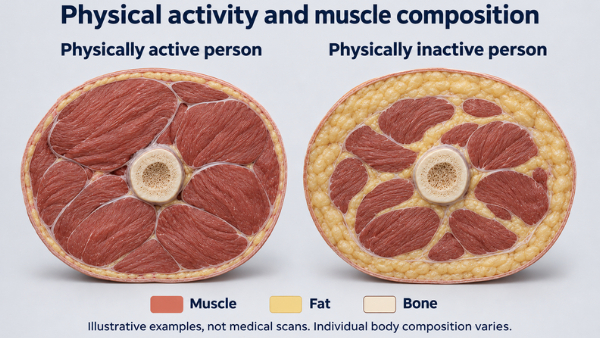
Muscle helps make daily activities manageable. When strength declines, tasks such as carrying laundry or climbing steps may become more difficult. More substantial muscle loss and weakness can affect mobility and independence.
Sarcopenia is a muscle disorder involving reduced strength and changes in muscle quantity or quality; assessment may also consider physical performance. It requires professional evaluation. Not every change in muscle size or exercise ability means someone has sarcopenia.
Inactivity, inadequate nutrition, and some chronic illnesses can contribute to muscle loss. Increasing difficulty with normal activities deserves attention rather than being dismissed as an unavoidable part of getting older.
The purpose of maintaining muscle extends beyond fitness goals. It can be as personal as continuing to garden, travel, play with grandchildren, or move comfortably around the home. Choosing activities around these priorities can make exercise feel more relevant.

Why Strength Training Deserves a Place in Your Routine
Strength training asks muscles to work against resistance. That resistance might come from weights, an exercise band, a machine, or your own body weight. It can be adapted to different experience levels and does not require a competitive sports background.
Muscle-strengthening exercises can help maintain existing strength, slow muscle mass loss, and support everyday physical function. Allowing recovery between sessions that work the same muscle groups is also part of a sustainable routine.
A beginner might start with a supported sit-to-stand movement or a light resistance band. Someone with more experience may use heavier weights or more demanding exercises. The appropriate starting point depends on ability, movement quality, and health.
Progress should be gradual. Becoming stronger may eventually allow a slightly greater resistance or additional repetitions, but a useful session does not need to leave you exhausted. Starting slowly and building your routine over time gives you a workable foundation. A qualified trainer or physical therapist can help adapt exercises when needed.

Where Walking, Sports, and Everyday Movement Fit
Walking, swimming, cycling, dancing, and recreational sports offer ways to make movement enjoyable. Aerobic and muscle-strengthening activities contribute different benefits, and adults benefit from including both in their week.
For example, brisk walking can contribute to aerobic activity, while resistance exercises provide a more direct muscle strengthening challenge. A person who enjoys walking could keep that habit and add suitable strength sessions. Someone who enjoys tennis or swimming could build a routine around those preferences.
Everyday movement can also make an active routine easier to sustain. Taking a short walk during a break or choosing an enjoyable activity with a friend creates more opportunities to move. These habits can sit alongside planned exercise.
You do not have to identify as an athlete to care for your muscles. A useful routine is one that fits your abilities and gives you reasons to keep returning.
How Much Activity Should You Aim For?
The CDC’s physical activity guidelines for adults recommend at least 150 minutes of moderate-intensity aerobic activity each week, or 75 minutes of vigorous activity, or an equivalent combination. Adults should also include muscle-strengthening activity on at least two days each week, working all major muscle groups.
These are general public health targets. Someone who has been inactive can start with a manageable amount and build gradually. Activity can be divided into smaller sessions across the week, and some activity is better than none.
A practical first step is choosing a regular place in the week for movement. That might mean walking after lunch and setting aside two separate days for suitable strength exercises. The details can change as confidence, ability, and circumstances change.
Nutrition Helps Support Muscle Maintenance
Exercise and nutrition belong in the same conversation. The body needs dietary protein to build and maintain muscle, and eating enough matters alongside staying active.
Including protein-containing foods throughout the day can help make nutrition part of a consistent routine. Options include fish, eggs, dairy foods, fortified soy products, beans, peas, and lentils. Meals can reflect personal preferences while still including varied protein sources.
A practical approach is to look at meals you already enjoy. Breakfast might include yogurt or eggs, lunch could feature beans or fish, and dinner might contain tofu, poultry, or lentils. This makes nutrition part of the daily routine rather than an entirely separate project.
Individual protein needs depend on health and other circumstances. A registered dietitian or clinician can help establish suitable intake, particularly when appetite is poor, eating is difficult, or a medical condition affects dietary needs.

Make Room for Recovery and Consistency
A sustainable exercise routine includes time between demanding sessions. Allowing recovery between strength sessions means avoiding strength training of the same muscle groups on consecutive days.
Rest days can still include comfortable activities suited to how you feel. The aim is to build a pattern you can continue. It is reasonable to adjust a session when you are unusually tired or when an exercise does not feel comfortable.
Consistency becomes easier when goals have a clear purpose. You might want to carry a suitcase more comfortably, return to a favorite activity, or feel steadier on stairs. Keeping that goal in mind can help you choose a realistic routine.
New or progressive weakness, unexplained weight loss, repeated falls, or increasing difficulty with everyday tasks should be discussed with a healthcare professional. Exercise advice should fit the person and any underlying health concerns.
Make Wellness Part of Your Everyday Routine
Your wellness routine is personal. If you’re interested in exploring dietary supplements, discover the peptide bioregulator collection. Take a closer look at the available options, with ingredients and label directions listed on individual product pages.
Explore the collection and here: Vita Peptides.
Final Thoughts
Maintaining muscle matters because it supports the activities that make daily life possible and enjoyable. Strength training, regular movement, and adequate nutrition each deserve attention as part of a lasting routine.
You can begin with your current abilities and build from there. Choosing activities you enjoy, allowing recovery, and making gradual progress gives you a practical way to keep investing in strength over time.
*Disclaimer: These statements have not been evaluated by the FDA. This product is not intended to diagnose, treat, cure or prevent any disease. Information on this site is provided for informational purposes only and is not meant to substitute for the advice provided by your own physician or healthcare professional. You should not use the information contained herein for diagnosing or treating a health problem or disease, or prescribing medication.
References
National Institute on Aging: Strength Training and Aging
National Institute on Aging: Exercise and Physical Ability
CDC: Adult Activity Guidelines
CDC: What Counts as Physical Activity
National Institute on Aging: Healthy Meal Planning
Recent Posts
-

Why Staying Active Matters for Maintaining Muscle Mass
Carrying groceries, climbing stairs, getting up from a chair, and enjoying a favorite sport all depe …Nov 18th 2026 -

Essential Information on Peptide Bioregulators
How do peptides work? Peptide bioregulators have been gaining attention in the field of wellness du …Nov 10th 2026 -

Vladimir Khavinson’s 44 Hidden Bioregulators: A Playlist by Brenden Henry
Sometimes, a new topic catches your attention and makes you want to look deeper. You hear an unfamil …Nov 5th 2026